Inside the Pig Butchering Crypto Scam: How a Transnational Crime Machine Turns Trust into Theft
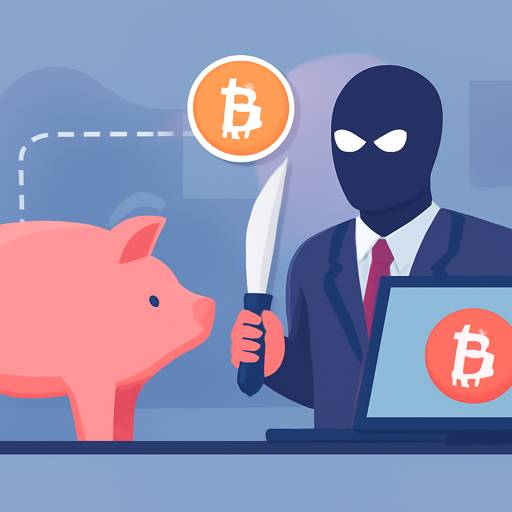
The pig butchering crypto scam—also known by its Chinese nickname “Sha Zhu Pan”—is not a single trick but an industrialized, cross-border operation that blends romance fraud, social engineering, and fake investment platforms into a single, scalable engine of theft. It thrives where informal networks, weak enforcement, and opaque financial channels overlap, and it is increasingly professionalized. What makes it so dangerous is not only the emotional grooming that primes a victim to send funds, but also the layered infrastructure that launders those funds through offshore payment processors, over-the-counter brokers, and crypto chains designed for rapid settlement. Understanding the playbook, the logistics behind it, and the practical response options can make the difference between containment and catastrophic loss.
What Pig Butchering Really Is: Playbook, Infrastructure, and the Human Cost
At its core, pig butchering involves long-cycle grooming designed to transform skepticism into trust. Operators—often working in large, fenced compounds in the Golden Triangle region of mainland Southeast Asia—recruit victims through “wrong-number” texts, polished dating-app profiles, or cultivated introductions on professional networks. Scripts are multilingual and data-driven. Recruits are trained to present as stable, affluent, and emotionally available, slowly nudging targets from casual conversation to market talk and finally to “mentorship” in crypto or FX trading. The emotional labor is heavy: days or weeks of chat logs, photos, and faux vulnerability that create a felt sense of partnership before a single dollar is requested.
Grooming alone, however, does not explain the scale. The machine depends on a technical stack that looks legitimate at a glance: slick investment dashboards, responsive “customer service,” and live PnL figures that mirror real market moves. Victims often start with a small deposit and see it grow. The platform may even allow a partial withdrawal to “prove” liquidity. As confidence rises, so does the ask—first a “bigger opportunity,” then urgent “bonus windows,” and finally fabricated “tax” or “anti–money laundering” fees to release funds. By the time a target realizes the portal is a façade, the crypto has already moved through fast-settlement rails, often via USDT on TRON or similar low-fee networks, then dispersed across exchanges and OTC desks.
Behind the screens are real people—many of them trafficked. Evidence from compounds in Myanmar, Laos, and Cambodia shows the use of forced labor, confiscated passports, and violent discipline to keep call-center workers “productive.” These same compounds may also run ancillary rackets—money laundering, illegal gambling, or logistics for synthetic identities—feeding a broader criminal ecosystem. The geography matters: jurisdictional gray zones create room for companies and shell entities to appear and disappear, while local elites or militias sometimes provide protection. For a research-driven view of how these structures cohere, see this analysis of the pig butchering crypto scam and the economy around scam call centers in the region.
From an investor’s or operator’s standpoint, the scam’s sophistication sits at the intersection of informal power systems and digital logistics. The value chain spans recruitment, persona building, front-end site development, crypto wallet management, compliance evasion, and fiat off-ramps—each step modularized so the enterprise can scale, adapt, and relocate as pressure shifts.
Signals, Tactics, and Red Flags Across the Life Cycle
Early contact is scripted for plausible deniability. The canonical opener—“Hi Angela, are we still on for Tuesday?”—invites correction and initiates low-friction rapport. Within days, the actor pivots to lifestyle topics (fitness, food, travel), then to “casual” market chatter: “My uncle works in finance,” or “I manage a small portfolio for family.” The groomer will suggest switching to WhatsApp or Telegram “for convenience,” building privacy and reducing platform scrutiny. A similar arc appears on dating apps: light banter, shared routines, then invitations to “learn together” about crypto strategies or liquidity mining.
Several technical red flags recur. The “investment” site typically launches on a recently registered domain with masked ownership and cloned compliance pages. The KYC flow looks real but either collects excessive personal data for identity resale or simply simulates verification. Customer support is responsive, but only within the app or platform—there is no durable corporate identity, and the license numbers, if provided, do not reconcile with any regulator’s register. Prices match external markets, but the execution engine is a closed box; there is no real order book, nor verifiable on-chain trades tied to the user account.
Financially, the progression is choreographed. Small deposits are encouraged first, often via bank transfer to a domestic exchange, followed by conversion to crypto and transmission to a new wallet “managed by the platform.” Once a victim’s “profits” appear to swell, constraints emerge. Withdrawals fail with errors that mimic real compliance processes: “pending AML review,” “liquidity lock,” or “tax clearance required.” These messages are designed to legitimize additional payments. Social proof is constant—screenshots of other “members,” staged testimonials, or a private group where handlers post timed alerts about “market windows.”
On-chain, funds commonly route through networks with low fees and fast finality. Stablecoins like USDT are favored, with frequent chain hops from TRON to Ethereum or BNB Smart Chain. Mixing tactics include breaking deposits into dozens of small transfers, cycling through exchange deposit addresses, and using OTC brokers in permissive jurisdictions. When regulators or exchanges start tracing flows, operators swap brands: domains change, support handles migrate, and the same back-end reappears under a new name. If pressured, groomers use a final play—shame, guilt, or anger—to keep victims disengaged and silent, reducing the chance of rapid reporting that could trigger account freezes.
Response Playbook: Contain, Trace, and Escalate Across Borders
The most important step after suspecting a pig butchering crypto scam is speed. Stop all contact immediately and preserve everything. Export full chat histories with timestamps and IDs, screenshot profile pages and “customer service” consoles, and record every transaction hash, wallet address, and platform URL. Note the exact sequence of events—dates, requests, and claimed entities—so investigators can align your timeline with blockchain movements and platform activity. Do not send “release fees” or “taxes,” and do not engage “recovery agents” who demand upfront payment; both are common follow-on scams.
Next, initiate parallel notifications. File a detailed incident ticket with any exchange or wallet provider you used, including hashes, amounts, asset types, counterparty addresses, and screenshots of the fake platform. Many exchanges can apply internal flags or freezes if funds pass through their systems quickly enough. Contact your bank to document potential fraud and explore chargebacks if you wired funds to an intermediary before buying crypto. File a cybercrime report with your local authorities and any relevant national reporting portals; include your full dossier to increase the chance of data sharing with international counterparts. If the loss is material, consider engaging reputable blockchain forensics firms and counsel experienced in cross-border asset recovery; timely, well-documented claims can push exchanges, stablecoin issuers, or OTC desks to act.
Businesses and investors operating in or near weak-enforcement environments should harden preventive controls. Train staff on the anatomy of grooming—especially “wrong-number” texts that seek to migrate to encrypted apps. Institute channel policies: no personal messaging for investment discussions, no deposits to third-party wallets, and dual authorization for any crypto transfers. For partnership offers or “exclusive trading opportunities,” implement KYB checks, verify regulatory licenses directly with the issuing authority, and corroborate identities using independent sources. Treat unusually high yields, withdrawal delays framed as AML, and requests for “unlocking fees” as cumulative risk indicators that trigger an immediate freeze and review.
In cross-border contexts, align your response to the informal realities on the ground. Where local remedies are weak, leverage the chokepoints you can reach: global exchanges, stablecoin issuers with freeze capabilities, and payment processors in regulated jurisdictions. Consolidate your evidence into a factual timeline and legal packet that can travel—this is often more actionable than a sprawling narrative. When appropriate, coordinate with other victims to establish pattern and scale, improving the odds of platform-level interventions. Finally, maintain internal discipline: centralize decision-making for outreach, log every contact, and avoid broadcasting sensitive details that could help scammers adapt. A structured, fast, and humble approach—focused on traceability, documentation, and pressure at enforcement gateways—offers the best chance of containment in a landscape engineered to exploit both emotion and delay.

Raised in Medellín, currently sailing the Mediterranean on a solar-powered catamaran, Marisol files dispatches on ocean plastics, Latin jazz history, and mindfulness hacks for digital nomads. She codes Raspberry Pi weather stations between anchorages.
