Missouri Cleanups Made Easy: Heartland Recycling Services for Roll-Off Dumpster Rentals
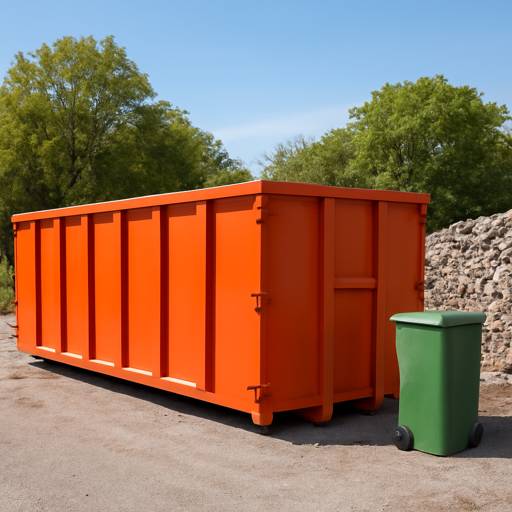
How Roll-Off Dumpster Rentals Streamline Residential, Commercial, and Construction Projects
When projects produce more debris than standard bins can handle, roll-off dumpster rentals provide a safe, fast, and cost-effective solution. From small home refreshes to large-scale demolitions, arranging a container simplifies every phase of cleanup. Crews or homeowners can toss materials as they go, keeping sites organized and compliant with local guidelines. That means fewer trips to the landfill, tighter timelines, and cleaner work areas—key advantages whether clearing a garage, renovating a storefront, or tackling a roof tear-off.
Working with a Missouri-focused provider ensures transparent pricing, clear rental terms, and prompt delivery and pickup. A streamlined process typically includes choosing the right dumpster size, scheduling a drop-off window, and receiving guidance on acceptable materials. With heartland recycling services, Missouri property owners and contractors get the support needed to match the container to debris types—like shingles, concrete, yard waste, and general household junk—without guesswork or surprises.
For homeowners, a well-placed dumpster can transform an overwhelming cleanout into a weekend win. Old furniture, broken fixtures, damaged siding, and even storm branches can be loaded steadily, preventing piles from overtaking driveways or lawns. For businesses and jobsite managers, consistent debris removal protects productivity and safety. Clear walkways, fewer slip hazards, and well-defined dumping areas make it easier for teams to focus on core tasks. Plus, coordinated pickups keep projects on schedule—especially valuable when space is tight and swap-outs are needed to handle ongoing waste.
In Missouri, local knowledge matters. Understanding city-specific quirks—from narrow urban streets in St. Louis to suburban cul-de-sacs around Kansas City—helps ensure containers are placed where they’re most effective and least disruptive. Reliable, on-time service reduces downtime for contractors and worry for homeowners juggling school pickups, utility appointments, and deliveries. With expert guidance on debris rules, load limits, and placement best practices, roll-off containers become an efficient, legal, and eco-conscious way to manage waste across the state.
Choosing the Right Dumpster Size and Navigating Missouri Rules and Permits
Selecting the right container begins with sizing. For modest cleanouts and small remodeling tasks, a 10-yard or 15-yard dumpster often does the trick. These compact options fit in most driveways and handle typical household clutter, light remodeling debris, and yard waste without overwhelming space. Stepping up to a 20-yard or 30-yard container suits mid-sized renovations, roof tear-offs, and multi-room updates with cabinets, drywall, and flooring. Large demolitions, commercial build-outs, or multi-phase projects may benefit from a 40-yard container to minimize swap-outs and keep debris moving efficiently.
Debris type influences more than volume—it affects weight limits and safety. Heavier materials like concrete, brick, dirt, and asphalt shingles can quickly exceed tonnage allowances. In these cases, smaller containers (10 or 15 yards) are often recommended to keep loads safe and compliant with hauling regulations. Mixed debris is common on remodels, but separating recyclable materials when possible—such as metal and clean cardboard—helps reduce disposal costs and environmental impact. An experienced team can advise on best practices to avoid overloading or contamination issues that lead to extra fees.
Missouri cities may require permits when placing dumpsters on public property, such as streets, sidewalks, or the right-of-way. In St. Louis, Kansas City, Columbia, Springfield, and Jefferson City, it’s wise to verify whether a permit is necessary before scheduling delivery. Placement on private property—like a driveway—typically does not require a permit, but checking HOA guidelines or landlord rules helps prevent surprises. When street placement is the only viable option, planning ahead ensures compliance with local ordinances, visibility requirements, and any time-of-day restrictions for delivery and pickup.
Beyond permits, on-site preparation makes a big difference. Clear enough space for safe delivery and pickup, and consider using plywood under the dumpster wheels to protect asphalt or decorative concrete. Load debris evenly and keep materials below the top rails to prevent spillage during transport. Avoid tossing prohibited items such as hazardous chemicals, paints, oils, tires, batteries, and appliances with refrigerants—these require special handling. Following these placement and loading best practices not only protects property, but also speeds up service and supports responsible disposal.
Real-World Missouri Scenarios: From Storm Cleanup to Roof Tear-Offs
Every project has a story—and the right dumpster size and service plan can make that story smoother. After a spring storm in Springfield, for example, homeowners often face downed limbs, fence damage, and soggy carpet. A 20-yard container typically provides enough room for branches, decking sections, and damaged furniture without needing multiple trips. Delivery timed between insurance inspections and contractor repairs keeps momentum going, while proper disposal of green waste and soaked materials reduces mess and mildew risk around the property.
In St. Louis, older homes undergoing roof replacements may lean on 30-yard containers to handle shingle tear-offs, underlayment, and flashing. Roofing material is dense, so project managers sometimes opt for two smaller containers or schedule a mid-project swap to balance weight and capacity. Efficient drop-off in alleys or tight urban streets depends on local expertise; a driver who understands neighborhood layouts can place a container for quick loading while keeping lanes accessible for residents and deliveries.
For Kansas City basement cleanouts, a 15-yard dumpster is a common pick. These projects often involve bulky but lighter items—mattresses, shelving, cardboard, and outdated electronics. Clear guidelines on prohibited materials help residents separate e-waste or hazardous chemicals for proper handling elsewhere. With flexible scheduling, families can coordinate around busy weekends, youth sports, or moving timelines, making the most of the rental period and avoiding stress-inducing clutter.
In Columbia’s commercial corridors, remodels and tenant improvements generate steady streams of drywall, framing, ceiling tiles, and packaging. A 40-yard container reduces the need for frequent swap-outs, keeping crews focused on work rather than waste. Transparent pricing and predictable pickup windows simplify budgeting and scheduling for general contractors. Meanwhile, job supervisors can maintain OSHA-friendly pathways and reduce trip hazards by assigning a clear debris area and encouraging daily loading routines.
Jefferson City renovations sometimes feature heavy patio or driveway removals. A 10-yard container is well-suited to concrete and brick because it limits weight per haul while still offering enough space for steady demolition. In these scenarios, staging materials, breaking concrete into manageable sections, and avoiding the temptation to overfill preserve both safety and cost control. With an eye toward responsible recycling, clean concrete may be diverted for reuse when available, supporting sustainability goals and minimizing landfill impact.
Across Missouri—whether in growing suburbs or historic neighborhoods—proactive planning pays off. Choosing the right dumpster size, confirming any necessary permits, setting clear loading rules for crews or family members, and scheduling pickups aligned with project milestones streamline every cleanup. A knowledgeable local partner makes the difference between slow, fragmented debris removal and a job that stays on track. With responsive communication, swift delivery, and guidance on materials and regulations, projects big and small stay cleaner, safer, and more efficient from start to finish.

Raised in Medellín, currently sailing the Mediterranean on a solar-powered catamaran, Marisol files dispatches on ocean plastics, Latin jazz history, and mindfulness hacks for digital nomads. She codes Raspberry Pi weather stations between anchorages.
